
DevOps
DevOps
DevOps has gained prominence for enabling faster and more innovative software delivery cycles. Key benefits include improved collaboration between development and operations teams, leading to faster deployment times and reduced time-to-market. Automation of processes enhances efficiency and reliability, while continuous integration and deployment practices ensure consistent software quality. Adopting DevOps fosters a culture of continuous improvement and feedback, driving agility and resilience in modern IT operations.
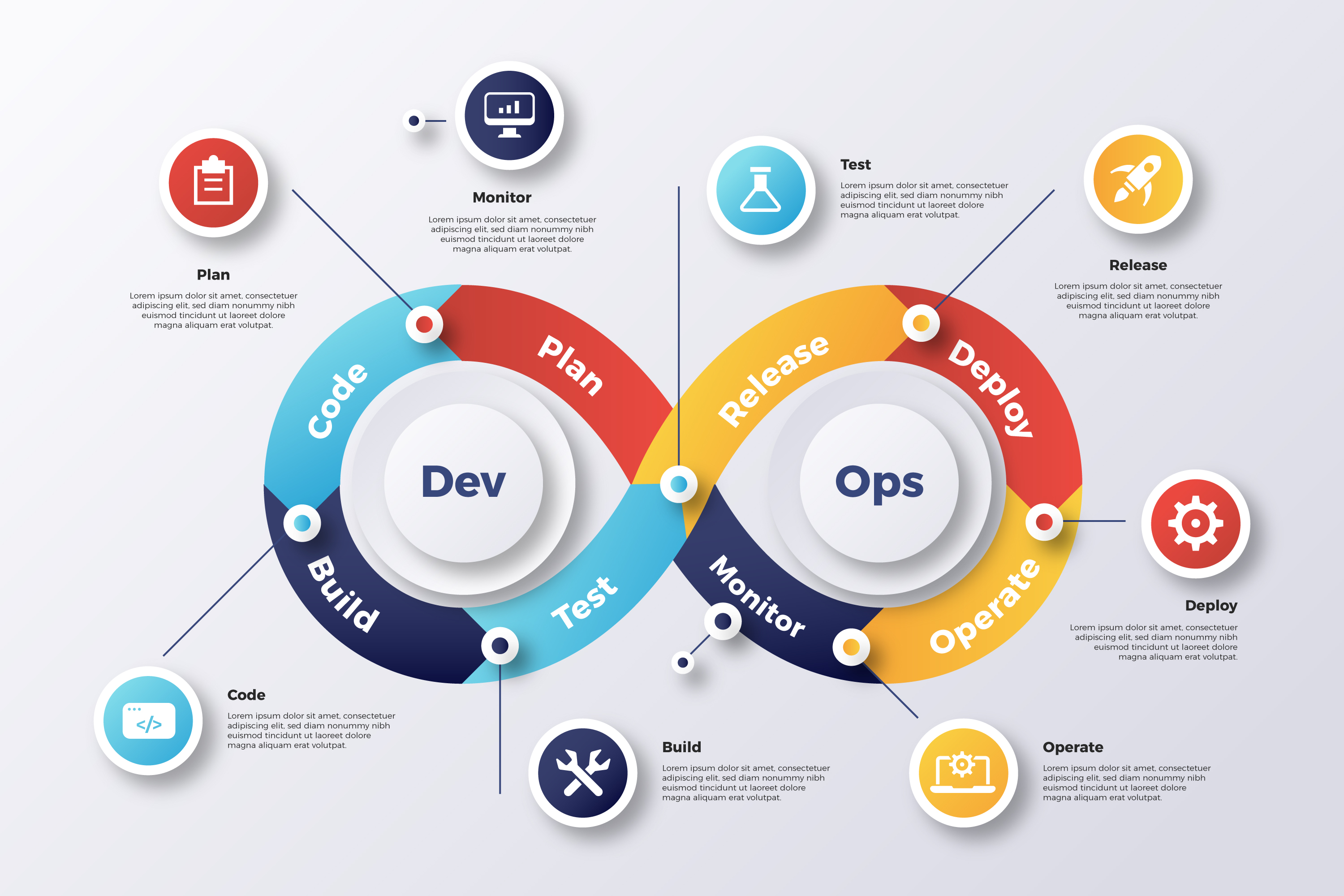
Faster Development Cycle
A shorter development cycle enabled by DevOps allows products to reach the market up to 60% faster, accelerating time-to-market significantly. By automating repetitive tasks and optimizing workflows, development teams can focus more on innovation and less on manual processes. Continuous integration and delivery practices ensure rapid and reliable releases, facilitating quicker feedback loops and iterative improvements. This agility not only speeds up product launches but also enhances responsiveness to market demands, giving businesses a competitive edge in dynamic environments.
Enhance the Performanc
Implementing a DevOps culture enhances organizational performance by fostering collaboration and efficiency across teams. Automated processes and continuous monitoring ensure higher system reliability and availability, minimizing downtime. Rapid deployment of updates and features improves customer satisfaction and responsiveness to market trends. This proactive approach to software development and operations enables businesses to innovate faster and stay ahead of competitors by delivering superior products and services.
DevOps Facilitates Collaboration
DevOps promotes better collaboration by integrating development and operations teams, breaking down traditional silos. By fostering a culture of shared responsibility and transparency, DevOps encourages continuous communication and cooperation. This integration streamlines workflows, enhances problem-solving capabilities, and accelerates decision-making processes. Collaborative tools and practices enable teams to align goals, iterate quickly on feedback, and collectively drive organizational success through improved efficiency and innovation.